Core Specialty

Multi-Residential Portfolio Growth

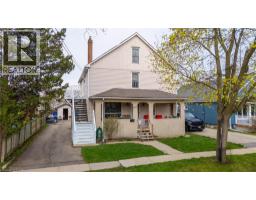
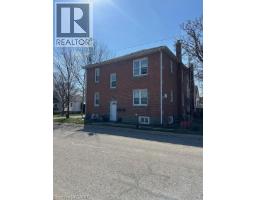
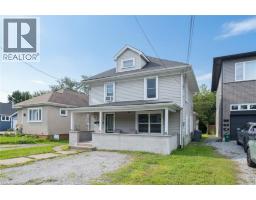
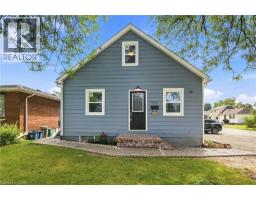
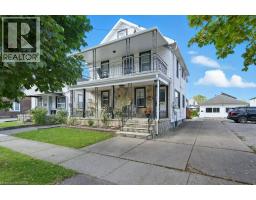
Strategic acquisition and management of duplexes, triplexes, and apartment buildings across Niagara.

Multi-Family, Valued on the Numbers

Single-family homes are priced on comparables. Multi-residential buildings are priced on income — which means you can actively force a duplex, triplex, or small apartment building to be worth more. Raise the net operating income and you raise the value, regardless of what the house next door sold for. That is the entire game, and it is where a contractor's read on a building pays for itself.

I underwrite every deal from two directions at once: an investor's eye for cash flow and cap rate, and a contractor's eye for the capital expenditures hiding behind the walls. A 6% cap rate means nothing if the flat roof, the boiler, and the fire separation are all about to come due at the same time.

How I underwrite a building

  • Real numbers, not pro-forma dreams: actual rents versus market rents, true vacancy, and every operating expense the seller "forgot."
  • CapEx timeline: the age and remaining life of the roof, boiler, windows, and electrical — the liabilities that quietly wipe out a year of cash flow.
  • Forced-appreciation upside: layout optimization, sub-metering, and high-yield upgrades that lift rents and compress the cap rate on exit.
  • Compliance & fire separation: confirming units are legal and safe — the difference between an asset and a lawsuit.

Whether you are buying your first duplex or scaling a portfolio, you get a straight, technical read on the deal before you commit a dollar.

Case Study

Renovation
ROI Analytics

Read the Report →

Learn how we analyze multi-family assets to identify forced appreciation opportunities. From layout optimization to high-yield upgrades, see the data behind the strategy.

Free Investor Tool

Run the Numbers Yourself With the FlipTool

Before you make an offer, model the deal the way a contractor does — purchase price, renovation budget, after-repair value, and the real return. The FlipTool is the ROI calculator I use on my own Niagara projects, and it's free to run as many scenarios as you want.

Open the FlipTool →

Multi-Family Specialist

Unlike single-family homes, multi-residential properties are valued based on their income. My goal is to help you force appreciation by identifying operational inefficiencies and physical improvements that drive rent growth.

I analyze every deal with a contractor's eye for CapEx and an investor's eye for Cash Flow.

Derek Breton - Niagara Multi-Family Investment Expert

Why Multi-Family Works in Niagara

A rare combination of affordable entry prices and genuine value-add upside.

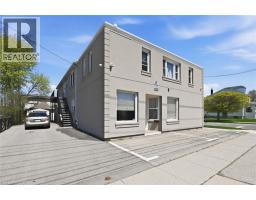
Niagara sits in a sweet spot for small multi-family investors. Entry prices are still well below the GTA, rental demand is anchored by two post-secondary schools and a steady flow of people relocating from the city, and a large stock of older homes means real conversion potential — the kind of building where a legal second suite transforms the numbers.

That conversion angle is exactly where my background matters most. Turning a tired single-family into a legal duplex, or adding a secondary suite to an existing rental, is a construction project first and a real estate transaction second. I can tell you which houses are realistic candidates — adequate ceiling height, a workable layout for egress, a panel that can carry the load — and roughly what the legalization will cost, before you buy on a hunch.

The strategy is straightforward: buy on real numbers, add legal density or improve operations to force appreciation, and hold an asset that cash-flows while it grows in value. It's slower and far more durable than chasing a quick flip — and in a market like Niagara, it compounds.

Multi-Family Questions

How I turn a construction background into a better return.

How do you evaluate multi-residential properties for maximum ROI?

I focus on forced appreciation through technical upgrades. By identifying operational inefficiencies and physical improvements — high-yield lighting, water-saving fixtures, layout optimization — we drive rent growth and increase the asset's cap rate.

What are common capital expenditures for Niagara multi-family buildings?

In Niagara, the big-ticket CapEx items are usually aging flat roofs, boiler systems, and fire-separation compliance. My construction background means we budget accurately for these long-term technical liabilities instead of discovering them after closing.

How much does a duplex or triplex differ from buying a house?

Completely. A house is valued on comparable sales; an income property is valued on its net operating income. That means small, targeted improvements to rent or expenses can move the building's value far more than a cosmetic reno moves a single-family home.

Can you help legalize a non-conforming or "grandfathered" unit?

Often, yes. I assess whether an existing unit can be brought up to Ontario Building Code and municipal zoning — ceiling height, egress, and fire separation — and what that path realistically costs, before you buy on the assumption it's already legal.

Do you work with first-time investors, or only experienced buyers?

Both. First-time buyers get a plain-English walk-through of how the numbers actually work; experienced investors get a fast, technical second opinion on CapEx and upside. Either way you get the same honest underwriting.

Analyze Your Portfolio

Whether you are looking for your first multi-family or scaling an institutional portfolio, let's look at the numbers.